September 28, 2026
Wisdom Teeth Removal Oxnard CA: Recovery Timeline and Tips
By @donovanbgcz908
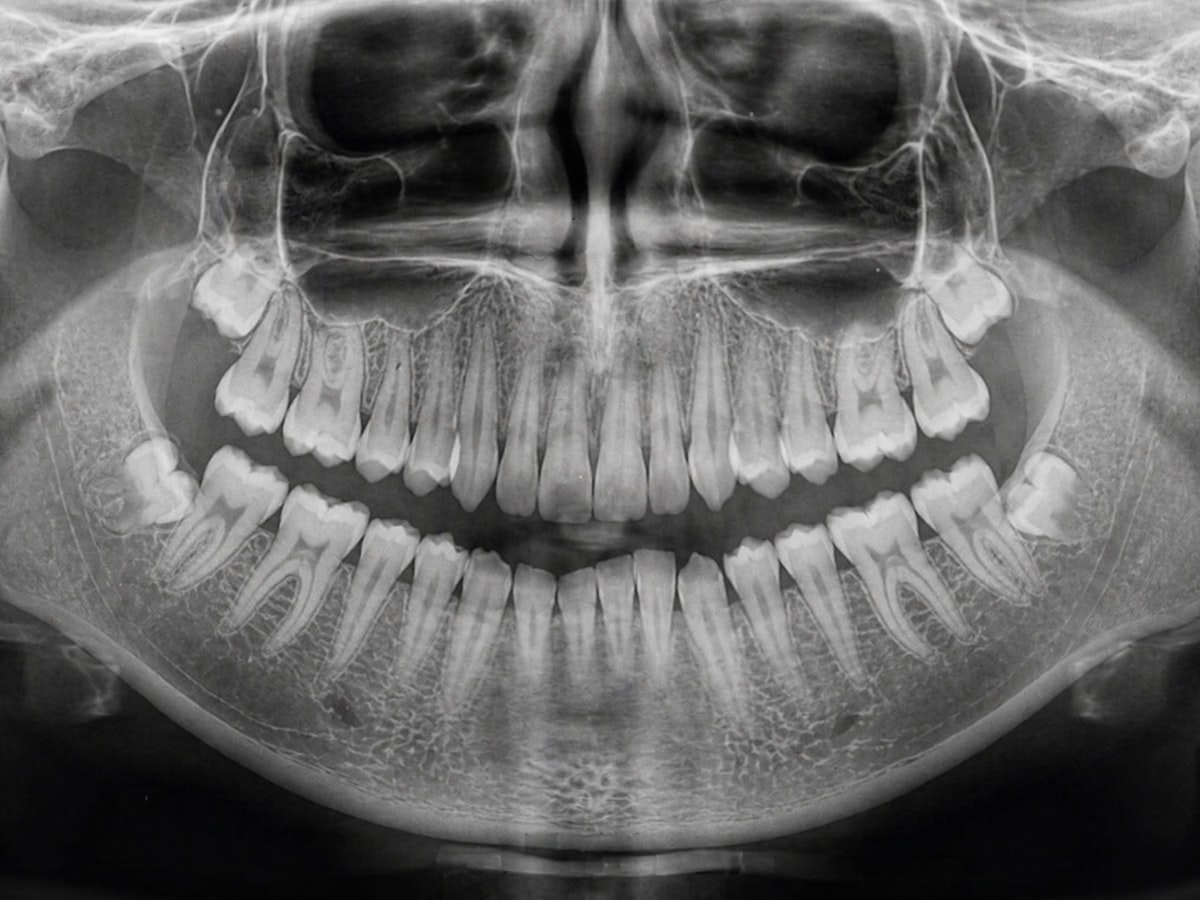
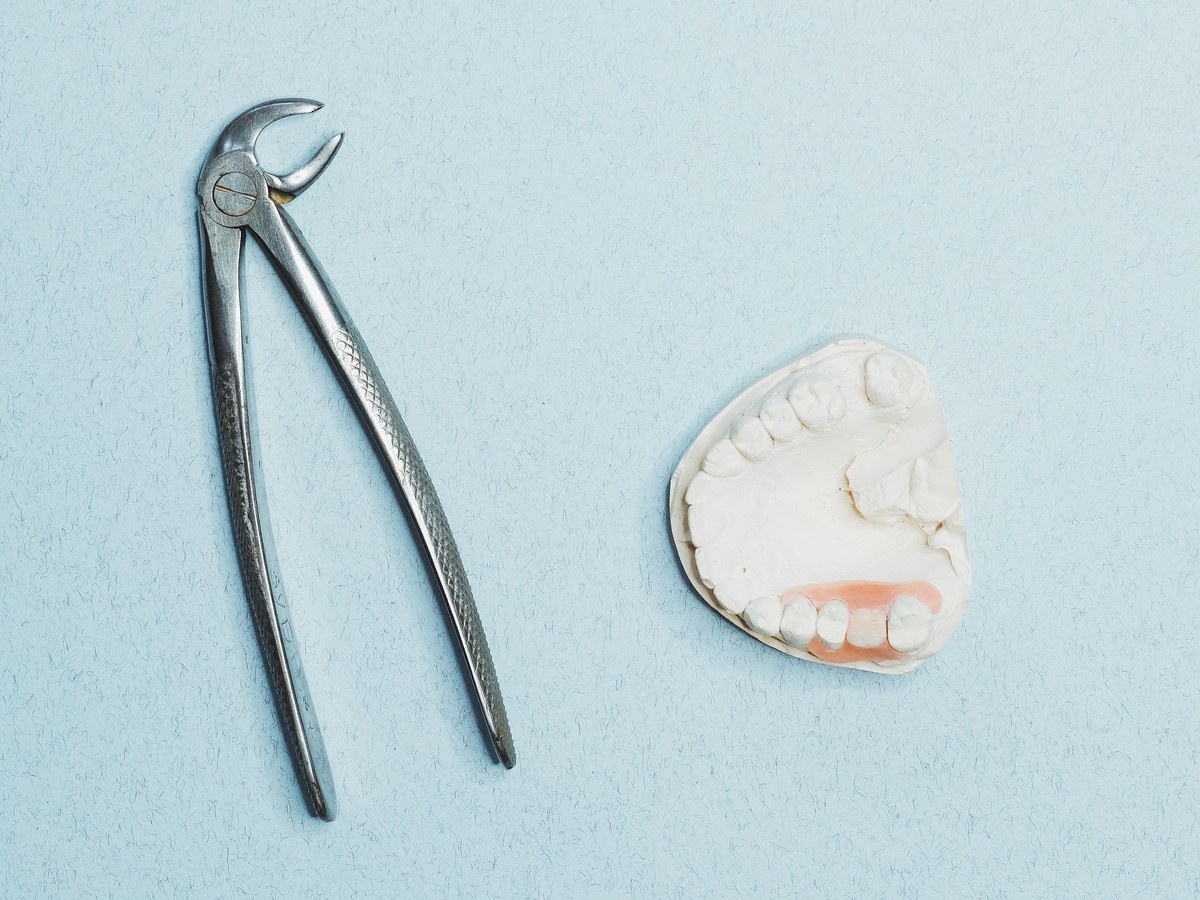
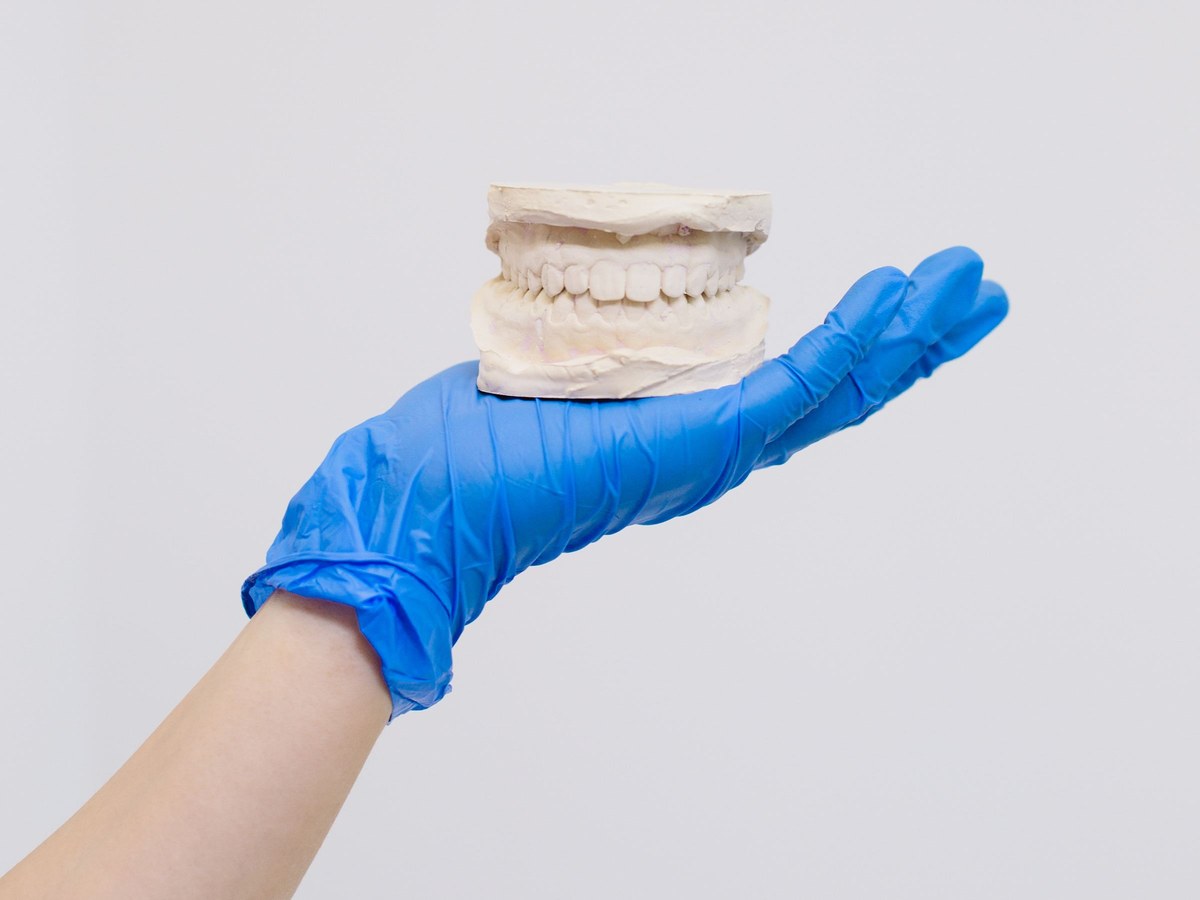
If you have been told it is time to have your wisdom teeth removed, the question that usually follows is not whether the procedure is common. It is how recovery will actually feel once you get home.
That is where most people want straight answers. They want to know when the swelling starts, how long the soreness lasts, when they can eat normally again, and what deserves a call to the surgeon. Those details matter more than generic reassurance, especially if you are arranging time off work, planning around school, or helping a teenager through recovery for the first time.
For patients looking into Wisdom Teeth Removal Oxnard CA, the procedure itself is often the shortest part of the experience. Recovery is where comfort, preparation, and good aftercare make the difference. Most people do very well, but the first week tends to follow a recognizable pattern, with a few exceptions depending on age, the position of the teeth, and whether the teeth were impacted.
What recovery usually depends on
Two people can have wisdom teeth removed on the same day and have very different recoveries. One is eating soft pasta by day three and heading back to class by day four. The other has more swelling, a tighter jaw, and needs a full week before feeling normal. That is not unusual.
A few factors shape the healing timeline. Impacted teeth usually create more soreness than teeth that have already erupted. Lower wisdom teeth often cause more post operative discomfort than upper ones. Surgical complexity matters too. If bone removal was needed, or if the tooth came out in sections, the tissue has more to recover from. Age plays a role as well. Younger patients generally bounce back faster, while adults in their late twenties and beyond may notice a slower, stiffer recovery.
Your own habits https://maps.app.goo.gl/3J3yp5fz8ZfBkuVj9 matter just as much. Smoking, vaping, using straws too early, skipping fluids, or trying to chew regular food before the surgical sites are ready can turn a routine recovery into a miserable one. On the other hand, patients who rest, stay hydrated, take medication as directed, and protect the blood clot usually have a smoother first week.
The first 24 hours, what to expect
The day of surgery is mostly about bleeding control, rest, and not disturbing the surgical sites.
A small amount of oozing is normal. It often looks worse than it is because saliva makes blood spread dramatically in the mouth. Most patients need to bite on gauze for a while after surgery, changing it as instructed until the bleeding settles into light spotting. Bright red, heavy bleeding that fills gauze quickly is different and should prompt a call to the office.
Numbness may last several hours, depending on the anesthetic used. During that window, people sometimes accidentally bite their lip or cheek because they cannot fully feel the area. Eating should be cautious and simple. Cool liquids, yogurt, applesauce, pudding, and smoothies eaten with a spoon tend to work well. A straw is not worth the risk.
Pain usually builds after the numbness fades. This catches people off guard if they wait too long to start the medications their surgeon recommended. In practice, the smoothest recoveries often come from staying ahead of discomfort in those first hours rather than trying to catch up once soreness peaks. If you were prescribed pain medication, the timing matters. If you were told to alternate over the counter medicines, follow that plan exactly.
Ice packs help most during the first day. The goal is not to freeze the face, just to reduce swelling by cycling cold on and off across the cheeks.
Days 2 and 3, often the most uncomfortable stretch
A lot of people assume the worst is over once the procedure is done. Usually, the second and third days are actually the high point for swelling and stiffness.
The cheeks can look puffy, the jaw may feel tight, and opening the mouth wide can be uncomfortable. Mild bruising is possible, especially in fair skinned patients. This does not mean anything went wrong. It is part of the inflammatory phase of healing. If lower wisdom teeth were difficult to remove, this period tends to be more noticeable.
Soreness at this stage often feels less like sharp pain and more like a deep ache, pressure, or throbbing near the jaw angle. Many patients also notice that talking a lot, laughing, or trying to chew on the back teeth makes the area feel irritated. That is normal. Soft foods remain the safest choice.
This is also the window when people accidentally create problems by feeling “pretty good” for a few hours and then doing too much. Running errands, returning to the gym, eating crunchy food, or poking at the socket with the tongue can set healing back fast. The blood clot needs to stay in place. If it is disturbed too early, dry socket becomes a risk, particularly in the lower jaw.
Days 4 through 7, when things usually turn the corner
By the fourth day, many patients begin to notice clear improvement. The swelling starts to come down, the jaw opens a little easier, and energy returns. You may still need pain relief, but often less of it. Eating remains somewhat limited, though the menu usually expands from pureed foods to softer meals with a little texture.
This is when people often ask if they can go back to normal. The honest answer is, partially. Many can return to work or school if the job is not physically demanding. If your work involves lifting, constant talking, outdoor heat, or long shifts without easy access to water and medication, you may need more time.
Oral hygiene becomes especially important here. Patients are often hesitant to clean near the area, which is understandable, but poor hygiene can slow healing. Most surgeons recommend very gentle brushing, avoiding direct trauma to the sockets, and rinsing exactly as instructed. Some offices suggest warm saltwater rinses after the first day. Others may provide a syringe later in recovery for cleaning lower extraction sites, especially when food tends to collect there. Timing matters, so follow the instructions specific to your case rather than borrowing advice from a friend.
The second week, better but not completely finished
By week two, the average patient feels significantly better than they did during the first several days. Most swelling has resolved, eating is easier, and daily life is much closer to normal. That said, healing is not over.
The gums may still feel tender. Small openings where the teeth were removed can remain for a while, especially in the lower jaw. Food debris can get trapped there, which is more annoying than dangerous if the area is cleaned properly. Mild jaw tightness can linger. Some people also feel occasional twinges as the tissue remodels.
This part of recovery frustrates patients who expected the mouth to feel perfect after seven days. Wisdom tooth sites heal in stages. Pain should trend downward, but “not fully back to normal yet” is common at this point.
A practical recovery timeline
Here is the version most patients find easiest to remember:
- Day 1 is about bleeding control, rest, cold packs, and starting pain medication on time.
- Days 2 and 3 usually bring the most swelling, stiffness, and general discomfort.
- Days 4 through 7 often show clear improvement, with easier eating and less need for medication.
- Week 2 brings steadier healing, though tenderness and food trapping may still happen.
- Full tissue healing takes longer than most people expect, often several weeks for the gums to close and more time for deeper bone healing.
That timeline fits many cases, but not all. A simple upper wisdom tooth may recover faster. A deeply impacted lower tooth may need more patience.
Eating after wisdom teeth removal, what helps and what causes setbacks
Food choices influence comfort more than many people realize. Patients often focus on what they are allowed to eat, but texture matters more than the name of the food itself. Mashed potatoes can be easy or irritating depending on temperature and seasoning. Scrambled eggs may be fine one day and awkward the next if chewing feels uneven.
Cool or room temperature foods usually feel better early on. Very hot foods can increase bleeding during the first day. Crunchy foods, tiny seeds, rice, chips, and crusty bread tend to create problems because they break into particles that lodge near the sockets. Spicy foods can sting. Acidic drinks can bother sensitive tissue.
A reasonable approach is to start soft and bland, then progress slowly based on comfort rather than impatience.
The foods that usually work best in the first several days include:
- yogurt, pudding, and applesauce
- smoothies eaten with a spoon, not a straw
- mashed potatoes, oatmeal, and soft scrambled eggs
- soup once it is warm rather than steaming hot
- soft pasta, cottage cheese, or flaky fish as chewing gets easier
The best advice here is simple. If a food requires forceful chewing, splinters into pieces, or gets stuck everywhere, it is probably too early.
Pain management without making recovery harder
Pain control should reduce suffering, not create new problems. Some people do best with prescription medication the first day or two, then switch to over the counter options. Others manage well with nonprescription pain relievers alone. The right plan depends on your medical history, the complexity of the surgery, and the instructions from your surgeon.
What matters most is consistency in the first forty eight hours. Waiting until pain becomes intense makes it harder to control. Taking medication with a little food, if allowed, can help prevent nausea. Drinking enough water matters too, because dehydration tends to magnify headaches, fatigue, and that washed out feeling many patients describe after surgery.
If antibiotics were prescribed, finish them exactly as directed. If they were not prescribed, that is not automatically a concern. Many wisdom tooth extractions heal perfectly well without them. Practices vary based on the case and the surgeon's judgment.
Nausea deserves special mention. It can happen from swallowed blood, an empty stomach, anesthesia aftereffects, or certain pain medications. If a patient is prone to nausea, that should be discussed before surgery. A simple adjustment in medication or timing can make recovery much easier.
Dry socket, the complication patients hear about most
Dry socket has a reputation because it is painful, not because it is inevitable. It happens when the blood clot at the extraction site is lost too early, exposing deeper tissue and bone. The result is often a severe, radiating pain that starts a few days after extraction, commonly around days 3 to 5, and may travel toward the ear or temple.
It is more common after lower wisdom teeth removal. Smoking, vaping, forceful spitting, using straws, and aggressive rinsing increase the risk. Some patients are simply more prone to it than others.
The good news is that dry socket is treatable. It is miserable, but it is not usually dangerous. The key is recognizing that this is not typical soreness. If pain had been improving and then suddenly becomes much worse, especially with a bad taste or foul odor, it is worth calling the oral surgeon promptly.
What is normal, and what should trigger a call
Mild bleeding, swelling, bruising, and limited mouth opening are all common. So is bad breath for a short period if the mouth feels difficult to clean. A low grade fever immediately after surgery can happen, especially after sedation, though persistent fever deserves attention.
What worries surgeons more is a pattern that is clearly moving in the wrong direction. Increasing swelling after several days, trouble swallowing, persistent high fever, uncontrolled bleeding, rash after medication, or severe pain that is not responding as expected should not be brushed off. Numbness that does not improve over time also deserves follow up, particularly after lower wisdom tooth surgery, where temporary nerve irritation can occur in some cases.
One point patients often miss is that severe dehydration can also masquerade as “something is wrong.” If the mouth is dry, urine is dark, dizziness sets in when standing, and eating has been minimal, more fluids may be part of the fix. Not always, but often.
Returning to work, school, exercise, and normal life
This question comes up constantly, especially with high school and college schedules. For straightforward extractions, many people can return to class or desk work within two to three days. Others prefer to give themselves a full long weekend. For a more difficult surgical removal, especially with impacted lower wisdom teeth, five to seven days is not excessive.
Exercise should wait a bit longer than people want it to. Elevated heart rate and blood pressure can restart bleeding and increase throbbing. A patient who feels fine walking around the house may still be better off skipping spin class, heavy lifting, or pickup basketball for several days. The exact timing depends on the surgeon's instructions and how the recovery is trending, but a gradual return is usually smarter than testing your luck.
Singing, public speaking, customer service shifts, and anything that requires constant mouth movement can also make the jaw sorer than expected. That is not dangerous, just uncomfortable.
A local note for patients planning Wisdom Teeth Removal Oxnard CA
If you are scheduling Wisdom Teeth Removal Oxnard CA, think beyond the appointment itself. Transportation, pharmacy timing, and the first twenty four hours at home matter. Coastal communities and busy family schedules can make it tempting to squeeze surgery between other commitments, but wisdom tooth recovery responds best to a protected day or two. Stock the kitchen before the procedure, fill prescriptions early if possible, and arrange for someone to stay nearby if you will be sedated.
It also helps to ask very specific questions ahead of time. Many patients nod through pre op instructions, then realize later they are unsure whether they can rinse, what foods count as safe, or when they should start brushing. The offices that see the smoothest recoveries usually give clear written instructions and expect follow up questions. That is a good sign.
Small decisions that make a big difference
Recovery is rarely determined by one big dramatic event. More often, it is shaped by the little choices made on autopilot. Taking the first dose of medication before numbness wears off. Sleeping with the head slightly elevated the first night. Drinking enough water even when you are not hungry. Resisting the urge to check the extraction sites every twenty minutes in the mirror. Those simple things are unglamorous, but they work.
The patients who struggle most are often not the ones with the hardest surgeries. They are the ones who return to normal habits too fast because they do not want to feel slowed down. A teenager who eats tortilla chips on day two, or an adult who decides one vape hit will not matter, can turn a manageable recovery into a rough week. By contrast, the patient who follows instructions closely often has less drama than expected.
Wisdom tooth removal has become so routine that people sometimes underestimate it. It is common surgery, yes, but it is still surgery. Respect the first week, and the mouth usually rewards you for it.
The bottom line on healing time
Most people feel the biggest improvement within a week, and many are back to the essentials of normal life in a few days. That said, full healing is slower than the first impression suggests. The visible discomfort fades first. The deeper tissue keeps repairing itself afterward.
If you are preparing for Wisdom Teeth Removal Oxnard CA, the best expectation is not a perfectly linear recovery. It is a recovery that improves in stages. Some swelling before improvement, some tenderness before normal chewing, some annoyance before the gums finally feel settled. That is the ordinary path.
Good preparation, careful aftercare, and realistic expectations make this experience easier. And when something feels off, asking early is better than waiting and hoping it resolves on its own. That is not overreacting. It is good postoperative judgment.
Oxnard Dentistry
1730 E Gonzales Rd
Oxnard, CA 93036, United States
Phone: +1 805-307-8731
FAQ About Wisdom Teeth Removal Oxnard CA
How much does it cost to get wisdom teeth removed in California?
Fees depend on tooth position, the number of extractions, imaging and anesthesia. Oxnard Dentistry can provide an individual estimate after examining your teeth. Ask for an itemized plan and confirm insurance benefits before scheduling.
Will insurance cover wisdom teeth removal?
Coverage and out-of-pocket costs vary by policy and the treatment required. Ask the dental office and your insurer to verify benefits, annual limits and any authorization requirements. A benefit estimate does not guarantee payment.
Is 30 too old to have wisdom teeth removed?
Age alone does not determine whether extraction is appropriate. A dentist evaluates symptoms, tooth position, oral health and medical history. Healthy, functional wisdom teeth may be monitored; teeth causing disease or other problems may need treatment.
❧