November 13, 2026
How Successful Are Dental Implants in Bakersfield CA?
By @donovanbgcz908
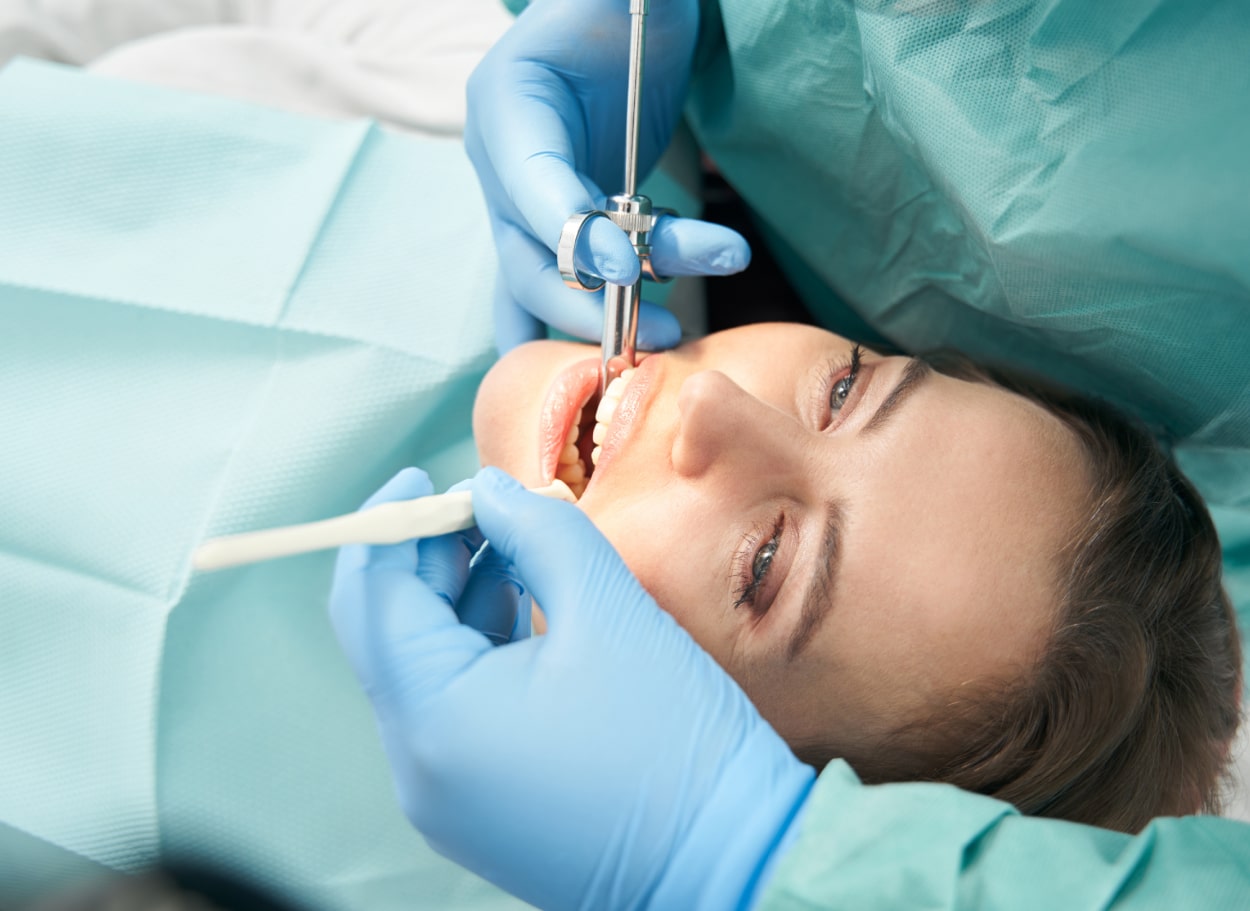
When people ask how successful dental implants are in Bakersfield CA, they are usually asking two different questions at once. First, does the implant itself work and stay in place? Second, does the entire experience, from surgery to healing to final crown, leave the patient satisfied enough that they would do it again?
Those are related, but they are not identical. A titanium implant can integrate well with the bone, yet the patient may still feel disappointed if the bite feels off, the gum shape looks unnatural, or the healing period was more demanding than expected. On the other hand, someone may have a longer or more complex treatment course, perhaps with a bone graft or sinus lift, and still consider the result a complete success because they can chew comfortably and smile without thinking about the missing tooth.
The short answer is that dental implants have a strong track record when they are planned carefully, placed in healthy enough bone, and maintained properly over time. In most practices, single tooth implants and implant supported restorations do very well, often for many years. But the real answer depends on anatomy, health history, habits, expectations, and the skill of the team doing the work. Bakersfield is no exception. The same fundamentals that drive success anywhere else apply here, but local lifestyle and access factors can shape the journey more than people realize.
What “success” actually means with dental implants
A successful implant is not just an X ray showing the fixture still in the jaw. Dentists and oral surgeons tend to look at several signs together. The implant should be stable, the surrounding bone should remain healthy, the gums should look calm rather than inflamed, and the final restoration should function well in daily life. Patients tend to judge success more practically. Can I eat steak or almonds again? Does food stop getting trapped in that area? Does the tooth look like it belongs there? Do I forget it is an implant?
Those practical markers matter. A front tooth implant that survives but looks gray at the gumline may not feel like a success to the patient. A back molar implant that holds up under heavy chewing for a decade often does. In everyday practice, the best implant cases are the ones that disappear into normal life. The patient stops babying the area, stops worrying about a removable appliance, and stops feeling self conscious when laughing or speaking.
There is also a time component. Early success means the implant heals and integrates after placement. Long term success means it continues to function year after year without bone loss, loosening, fracture, or gum disease. Many failures happen early, but not all. Some problems show up later because of smoking, uncontrolled diabetes, grinding, missed cleanings, or poor fit of the restoration.
The numbers people usually hear, and what they really mean
Patients often hear that dental implants have a success rate somewhere in the mid 90 percent range. That is a fair general impression, but it needs context. Rates vary by study design, by where the implant is placed, and by the patient population being treated. A healthy nonsmoker replacing one tooth in dense lower jaw bone is very different from a patient with advanced periodontal history, thin upper jaw bone, and years of clenching.
What matters more than a single headline number is understanding that implants are among the most predictable treatments in modern dentistry when case selection is sound. In straightforward cases, success is often excellent. In more demanding cases, treatment may still work very well, but the margin for error narrows and the planning becomes more important.
Patients looking into Dental Implants Bakersfield CA should be wary of any office that presents implants as effortless or guaranteed. Good clinicians are usually confident, but also specific. They explain the likely outcome, the steps involved, and the reasons your case may be simpler or more complex than average.
Why Bakersfield patients often ask this question differently
In a city like Bakersfield, practical concerns show up fast. Many patients work demanding jobs, spend long hours on their feet, or have schedules that make multiple appointments hard to manage. Some have delayed care because they were focused on family, work, or other health issues. Others have worn partials for years and are finally deciding they want something more stable.
That matters because success is not only biological. It is logistical. If someone cannot come back for follow up visits, or keeps postponing the restorative phase after surgery, the process becomes less predictable. Good implant care takes coordination between the surgical side and the restorative side, whether that is handled by one office or multiple providers.
I have also seen many patients from warmer inland communities who underestimate hydration, dry mouth, and the subtle effects of medications or lifestyle on oral tissues. Dry mouth alone does not cause an implant to fail, but it can make hygiene harder and raise the risk of gum inflammation and decay on neighboring teeth. An implant does not get a cavity, but the mouth around it still needs a healthy environment.
The biggest factors that influence implant success
Some variables are in the clinician’s hands, some are in the patient’s, and some are simply anatomical realities. Most implant outcomes come down to a combination of these:
- Bone quality and quantity at the implant site
- Smoking or nicotine use, including vaping
- Gum health and prior history of periodontal disease
- Bite forces, especially grinding and clenching
- Consistent home care and follow up maintenance
Each one deserves a closer look, because they rarely act alone.
Bone matters more than most people expect
An implant needs enough bone to stabilize during placement and enough healthy bone to remain secure long term. The lower jaw often offers denser bone than the upper jaw, especially in the posterior region, though individual anatomy varies widely. Some patients lose bone quickly after an extraction, especially if the tooth had infection or was missing for years. Others maintain a decent ridge and can move straight into implant planning.
When there is not enough bone, the case is not automatically off the table. Bone grafting has become routine in many offices. Still, adding grafting usually means more healing time, more cost, and more reliance on careful timing. Patients should understand that a graft is not a sales tactic in a well run practice. Often it is the step that makes the final result possible and more predictable.
Smoking raises the stakes
Nicotine compromises blood flow and healing. This is one of the clearest risk factors seen in implant dentistry. A smoker can absolutely receive implants, and many do well, but the failure risk is higher. The same is true for heavy vaping, though patients sometimes assume it is harmless because there is no traditional cigarette. Tissues do not make that distinction as generously as people hope.
If a patient asks me what one modifiable habit would give the implant the best chance, quitting nicotine is near the top of the list. Even reducing use around the time of surgery can help, though full cessation is obviously better.
Gum health is not optional
If someone has active periodontal disease, implants should not be placed into a mouth that is still inflamed and unstable without addressing that larger problem. The implant itself can suffer from peri implant disease, an inflammatory process that can lead to bone loss around the fixture. Patients sometimes believe an implant is immune to the issues that damaged their natural teeth. It is not. It is resistant to decay, yes, but it still depends on healthy surrounding tissues.
Some of the more difficult cases are not patients with one missing tooth. They are patients with a long history of gum disease who want multiple implants but struggle with plaque control and irregular cleanings. Success is still possible, but the maintenance commitment has to be real.
Bite forces can quietly ruin a good case
Teeth are not just decorative. Molars absorb heavy forces. Front teeth guide movement. People who grind often generate more pressure than they realize, especially during sleep. An implant does not have the same shock absorbing ligament a natural tooth has, so force management matters. A beautifully placed implant can end up with screw loosening, porcelain chipping, or bone stress if the bite is not designed thoughtfully.
This is one reason experienced restorative planning matters. The implant has to be in the right place, but the crown on top of it also has to work with the rest of the mouth.
The planning stage is where many successes begin
Patients tend to focus on the surgical appointment because that is the dramatic part. In truth, a lot of implant success is determined before the first incision. Good records, quality imaging, evaluation of neighboring teeth, discussion of medical history, and a realistic treatment timeline all shape the outcome.
Three dimensional imaging has improved implant planning significantly. It allows the provider to assess bone width, height, angulation, and proximity to important structures like the sinus or nerves. That does not replace judgment, but it improves it. In a simple lower premolar case, planning may be fairly direct. In an upper front tooth with a high smile line, planning becomes much more aesthetic and exacting.
A common mistake is thinking the extraction and the implant are basically one event with a crown added at the end. Sometimes that is true. Sometimes it is not. Immediate placement can be excellent in the right scenario, especially when the socket walls are intact and infection is controlled. In other cases, delayed placement is safer and more predictable. Good treatment planning is not about speed alone. It is about giving the site the best chance to succeed.
What the process often looks like for a Bakersfield implant patient
Many patients want to know how much disruption to expect. That is a sensible question. The process often involves consultation, imaging, any needed extraction or grafting, implant placement, a healing period, and then the final restoration. Depending on the case, this can take a few months or longer.
A healthy patient replacing a single tooth may have a fairly straightforward path. Someone replacing multiple teeth, especially after longstanding tooth loss, may need a more layered approach. In practice, the more complex the reconstruction, the more important communication becomes. Patients do best when they understand not just the next appointment, but the entire sequence.
The surgery itself is often easier than people fear. Many patients report that anticipation was worse than recovery. Soreness, swelling, and a modified diet for a short time are common. What surprises people more often is the waiting. Osseointegration, the biological bonding between bone and implant surface, takes time. Rushing to load an implant before the site is ready can compromise a case that otherwise would have gone smoothly.
Single tooth implants vs larger implant cases
A single missing tooth in an otherwise healthy mouth is usually the cleanest implant scenario. There is one site, one restoration, and fewer moving parts. The success rate tends to be high because the treatment is focused and the surrounding support system, namely neighboring teeth and healthy gums, is often intact.
Larger cases can be life changing, but they ask more from both patient and provider. Full arch implant solutions, for example, can dramatically improve function and confidence, especially for people frustrated with loose dentures. At the same time, these cases require precise planning, careful prosthetic design, and strict hygiene habits. The cost is higher, the stakes feel higher, and the room for shortcuts is smaller.
Patients comparing bridges, partials, dentures, and implants should not assume implants are automatically better in every circumstance. Sometimes a bridge remains a valid option. Sometimes medical factors, finances, or time constraints make a removable option more realistic. Success in dentistry is partly clinical and partly personal. The best treatment is the one that suits the whole patient.
Reasons implants fail, even when they start well
Failures do happen. Some occur early because the implant never fully integrates. Others happen years later after inflammation, overload, or neglected maintenance. It helps patients to know the difference between a complication and a total failure. A loose healing cap, a chipped crown, or a screw that needs retightening can usually be managed without losing the implant. Progressive bone loss around the implant is a more serious issue.
The most common patterns behind failure are familiar. Persistent smoking, uncontrolled diabetes, untreated gum disease, poor oral hygiene, and heavy grinding show up again and again. Occasionally there are anatomy related challenges or unexpected healing issues despite good planning. Dentistry is not mechanical in the way people sometimes imagine. Biology always gets a vote.
One of the hardest conversations is with patients who believe that once an implant is in, maintenance no longer matters. The opposite is true. The investment deserves attention. Professional cleanings, periodic imaging when indicated, and early response to soreness or bleeding can make the difference between a minor problem and a major one.
How to judge whether an implant provider is likely to deliver a good outcome
Most https://codymzvk486.scriblorax.com/posts/dental-implants-bakersfield-ca-for-replacing-multiple-missing-teeth patients are not in a position to evaluate surgical angulation or restorative margin design, but they can still judge an office intelligently. The right questions reveal a lot. Ask who performs the surgery, who makes the final crown or prosthesis, whether three dimensional imaging is used, what happens if grafting is needed, and how follow up is handled. Pay attention to whether answers are specific or vague.
Good providers tend to explain risks calmly rather than brushing them aside. They discuss alternatives. They review medical history seriously. They look at the health of the whole mouth instead of treating the missing tooth in isolation. If you feel rushed into a same day decision for a procedure that clearly needs planning, that is a reason to pause.
Here are a few signs that the process is being handled thoughtfully:
- Your evaluation includes a full review of gums, bite, and surrounding teeth
- The provider explains whether your case is simple, moderate, or complex, and why
- You receive a realistic timeline rather than a sales driven promise
- Home care and long term maintenance are discussed before treatment begins
- Questions about cost are answered clearly, including possible added steps like grafting
That last point matters more than people admit. A treatment plan that looks affordable until necessary add ons appear can create frustration and delays, neither of which helps the final result.
Cost, value, and the long view
Implants are not cheap, and there is no point pretending otherwise. But patients often make the decision based on value rather than price alone. A removable partial may cost less up front, yet feel unstable or uncomfortable for years. A bridge can work beautifully, but it may require preparation of neighboring teeth. An implant usually stands on its own and can preserve function without relying on adjacent teeth.
That does not mean everyone should choose implants. It means the comparison should be fair. If a person is 35, healthy, and missing one molar, the long term value of an implant can be compelling. If a person has multiple untreated dental issues, limited maintenance capacity, and active smoking, it may make more sense to stabilize the overall oral condition first.
When discussing Dental Implants Bakersfield CA, cost also intersects with access. Some patients travel between offices for surgery and restoration. Others prioritize financing options or staged treatment. There is nothing wrong with that. The key is not to let budget pressure force a rushed decision on treatment design. A slower but sound plan often beats a fast compromise.
What patients can do to improve their odds
Patients are not passive observers in implant success. Their choices before and after surgery matter. The best outcomes usually come from people who treat the process seriously but not fearfully. They ask questions, follow instructions, show up for maintenance, and speak up early if something feels wrong.
A patient who controls diabetes carefully, reduces nicotine use, wears a night guard if prescribed, and keeps recall visits is giving the implant a much better chance than someone who disappears after crown delivery. None of this is glamorous, but it is effective. Implant dentistry rewards consistency.
There is also a mindset piece. The patients who fare best tend to view the implant as part of their mouth, not as a hardware upgrade that no longer requires care. They brush around it attentively, use the cleaning tools recommended for their restoration design, and understand that healthy gums are just as important around implants as they are around natural teeth.
So, how successful are they really?
For the right patient, dental implants are often one of the most successful treatments dentistry offers. They restore chewing, support facial comfort, and remove the daily annoyance of a gap or a loose removable tooth. In many well selected cases, they perform predictably for years. That is why they have become such a common recommendation.
But the phrase “right patient” matters. Success is not magic and it is not universal. It is built from diagnosis, planning, surgical execution, restorative design, and maintenance. When those pieces line up, the results can be excellent. When they do not, implants become less predictable and sometimes less appropriate.
If you are considering Dental Implants Bakersfield CA, the smartest first step is not shopping for the lowest number or the fastest promise. It is getting a careful evaluation from a provider who will tell you plainly what your mouth needs, what your risks are, and what kind of result is realistically achievable. That conversation usually reveals more about your likely success than any advertisement ever will.
For many Bakersfield patients, implants end up being worth the time, the investment, and the healing period. Not because they are perfect, but because they solve a real problem in a durable, functional way. Done well, they stop being a procedure and start feeling like part of normal life. That is the kind of success most people are really looking for.
Smyle Dental Bakersfield
2016 E St, Bakersfield, CA 93301, United States
+16614939040
FAQ About Dental Implants Bakersfield CA
What is the downside of a dental implant?
The main downsides of dental implants involve high financial costs, surgical risks, a lengthy healing process, and the potential for long-term complications.
How much does a full set of implants usually cost?
A full set of dental implants (covering both the upper and lower arches) typically ranges from $6,000 to $90,000+, depending heavily on the type of treatment, materials used, and whether the teeth are fixed or removable.
Can I have all my teeth pulled and get implants?
Yes, you can have all your teeth pulled and replaced with dental implants. Instead of placing a separate implant for every single tooth (which is costly and time-consuming), dentists typically use full-arch systems.
❧